
A civil obligation arises in one of two ways. Either the parties bound themselves by agreement, which is contract; or the law imposes liability without any agreement at all — for causing harm, or for holding what belongs to someone else. The distinction matters, because it determines what has to be proved and how long there is to bring the claim.
Thailand puts civil and commercial law in a single code, so the two words are often used interchangeably here. Internationally they are kept apart, and the separation is useful in practice. This page covers disputes where the parties deal with each other as individuals. Disputes arising out of trade between businesses belong under commercial cases.
What comes out of a civil case is compensation, property returned, or an order to do or stop doing something — not imprisonment. One event can be civil and criminal at once: in a road accident the state prosecutes and the injured party must separately sue for compensation. The two run on different timetables, and settling the criminal side does not always end the right to compensation.
Where a civil obligation comes from
- Contract: what the parties agreed between themselves. The claimant must prove the agreement existed and that the other side did not perform.
- Tort: harm caused intentionally or negligently, with no prior relationship needed — from road accidents and damage to property through to defamation.
- Management of affairs without mandate: stepping in to look after someone else's interests uninvited but for their benefit, such as paying to repair property about to be lost. The cost can be recovered.
- Unjust enrichment: one side receives property or benefit with no legal ground and at the other's expense — a transfer to the wrong account, a debt paid twice. It can be recovered.
More than one of these can apply to the same facts, and each carries its own limitation period. Choosing the right basis when the claim is drafted shapes the case more than most people expect.
The disputes we handle
- Compensation in tort: road accidents, medical negligence, careless acts and damage to property.
- Recovery of money or property held without right, including transfers to the wrong account and overpayments.
- Agreements between individuals: personal loans, guarantees, mortgages, residential leases, private sales and hire of work.
- Land and property disputes: title, boundaries, access, servitudes, possession and improper transfers.
- Eviction of trespassers and recovery of property from anyone holding it without right.
- Family matters: divorce, division of marital property, custody and maintenance, heard in the Juvenile and Family Court.
- Succession: appointment of an estate administrator, distribution and disputes over wills.
- Consumer claims against businesses, which follow a procedure weighted in the consumer's favour.
What we do
- Review the documents and the facts, then say plainly how the case stands — whether to sue, to negotiate, or to let it go.
- Check the time limit first, before any other strategy.
- Send formal demands, negotiate, and draw up settlements that are enforceable in their own right.
- Prepare the complaint, the defence and every document filed at court.
- Appear and examine witnesses at every hearing, through the lawyer named on your matter.
- Apply for interim protection during the case, such as freezing the other side's assets so they cannot be moved out of reach.
- Appeal, where you decide to press on.
- Enforce the judgment: seizure of assets, attachment of wages or bank accounts, and sale at public auction.
What actually happens once a case starts
Civil cases take time and follow a sequence. Knowing what is coming makes it possible to plan around it.
- A formal demand goes to the other side first — which the law requires in some kinds of case.
- The claim is filed at the court with jurisdiction — where the defendant lives or where the dispute arose — with the court fee calculated on the amount claimed.
- The court serves the summons. The defence is due within a fixed period; if nothing is filed, the court can decide the case in the defendant's absence.
- The court holds a mediation, where a great many cases end — faster and at less cost than fighting to judgment.
- If no settlement is reached, the court fixes the issues, hears the witnesses and gives judgment.
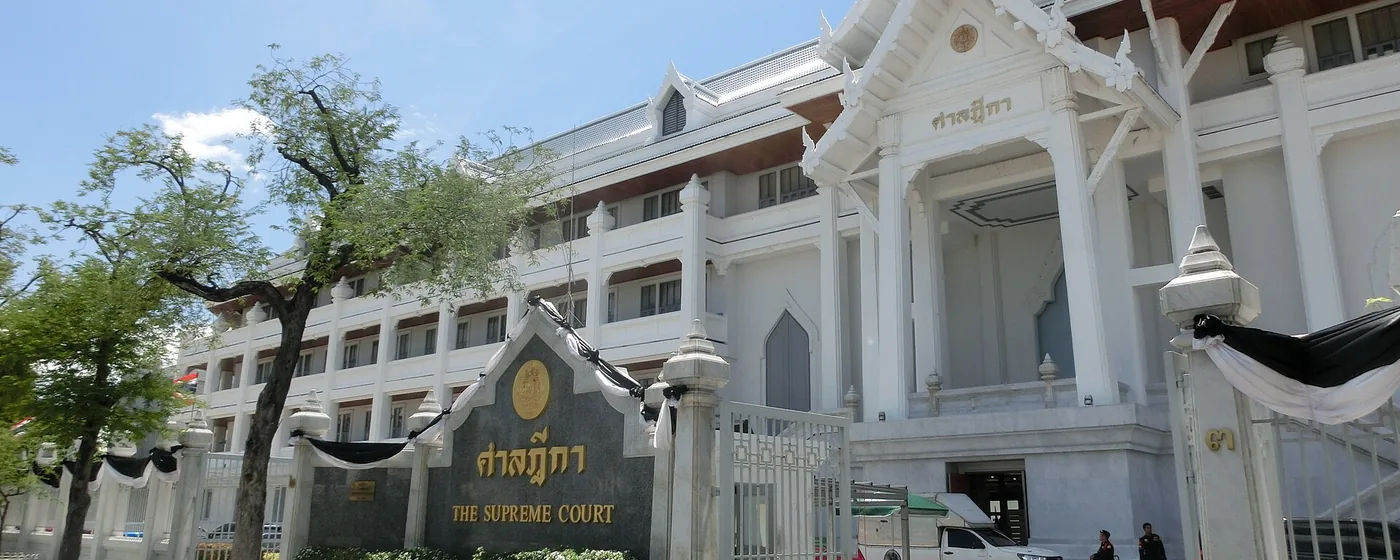
- Either side may appeal within the time allowed, and the case may go on to the Supreme Court.
- Once final and unpaid, enforcement begins.
The deadlines that end a claim
Every kind of claim carries a time limit. Once it has passed the court dismisses the case, however complete the evidence. The period depends on where the obligation came from: claims in tort run far shorter than claims in contract.
What matters most is that the clock usually starts not on the day the thing happened, but on the day you learned of it and learned who was responsible. Those dates can be far apart. If you are unsure how much time is left, assume the earliest date and take advice quickly — this is not something that can be fixed afterwards.
What to bring
- The contract, invoices, delivery notes or transfer records involved.
- Messages or letters exchanged with the other side, especially any acknowledgement of the debt.
- The police daily record, photographs and medical records, for claims in tort.
- A note of when you first knew of the problem, and when you knew who was responsible.
- The summons and complaint with the envelope, if you have been sued.
- Identification and house registration, or the company certificate.
This page is general information, not advice on your situation. The outcome of any case turns on its own facts and evidence.