On death, the estate passes to the heirs by operation of law. In practice, though, no bank will release funds and no Land Office will register a transfer until there is a court order appointing an estate administrator. Families often find everything frozen for months without knowing what to do.
The deadline to watch: a claim to an estate runs for one year from the day the heir learned of the death. Heirs who were kept out, or who live abroad and heard late, can lose the right without realising.
We prepare wills in advance, apply for the appointment of administrators, distribute estates, and litigate where the heirs cannot agree.
The order of the steps
- Obtain the death certificate and establish whether there is a will.
- Compile the assets and the debts in full: land, bank accounts, shareholdings, vehicles and life insurance.
- Establish who the statutory heirs are — the classes are fixed by law, and a surviving spouse takes a share separate from those classes.
- Apply to the court to appoint an administrator, with the other heirs' consents, which makes the process considerably faster.
- Once the order is issued, deal with the banks and the Land Office.
- Distribute under the will or in the statutory shares, and account to the heirs.
A will that will actually work
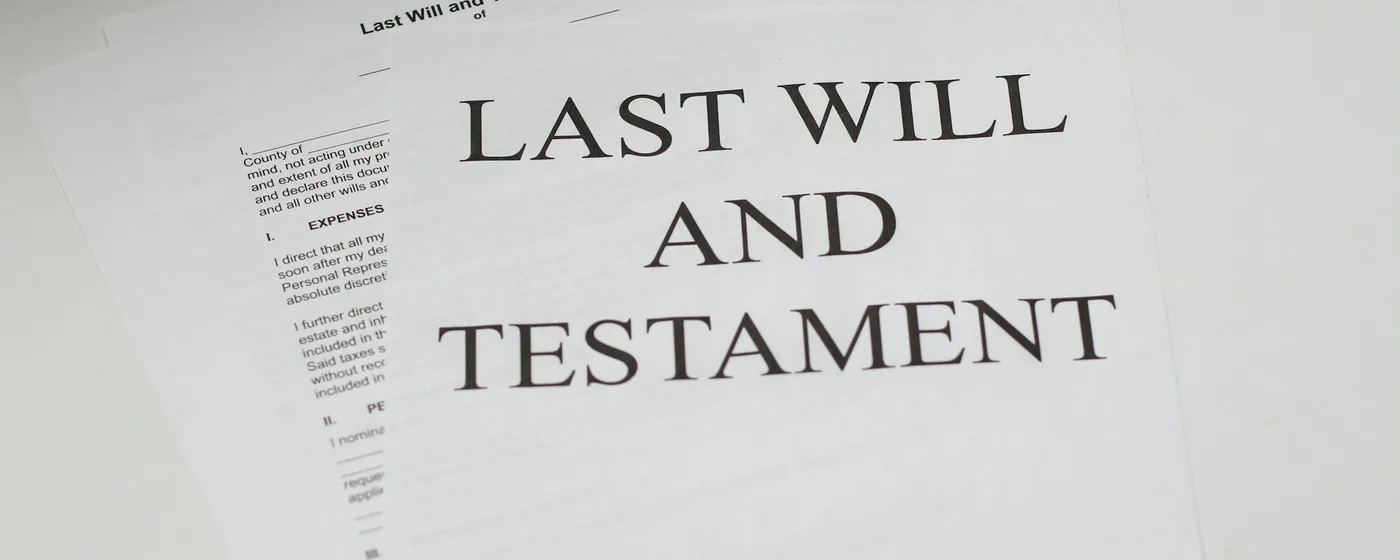
A will made in the wrong form is void in its entirety, and the estate is then divided among the statutory heirs — usually not what the testator intended.
- The most common form is in writing, dated, signed by the testator before at least two witnesses present together, who sign at the same time.
- A beneficiary, or a beneficiary's spouse, cannot be a witness. This is what invalidates family wills most often.
- Identify the assets and the beneficiaries precisely; avoid loose wording.
- Appoint the estate administrator in the will, which removes a step and much argument.
- Review it when family circumstances change: marriage, divorce, more children.
Assets or heirs abroad
A Thai will may not reach assets abroad, and assets in different countries may need separate wills — drafted so that they do not revoke one another. Heirs living abroad can act through a power of attorney, legalised as the receiving office requires.
What to bring
- The death certificate, the deceased's house registration and ID card.
- The original will, if there is one.
- Title documents for every asset.
- House registrations and ID cards for all the heirs.
- The deceased's marriage or divorce registration, and the children's birth certificates.
This page is general information, not advice on your situation. The classes of heirs and their shares depend on each family's facts, and the one-year deadline cannot be repaired afterwards.